Welcome to RIDILUX LIGHTING
Flexible Wall Grazer for Curved Facades: The Complete Guide to Seamless Architectural Wall Washing
Introduction: Why Curved Architecture Is Difficult to
Light
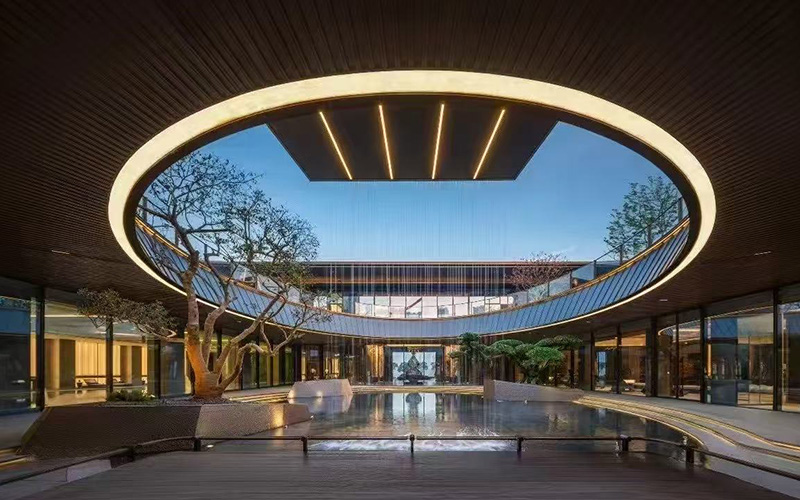
Curved architecture has become increasingly popular in modern design.
From flowing façades and cylindrical towers to sculptural landscape walls, architects are exploring more organic
and dynamic forms than ever before.
However, while curves enhance visual identity during the day, they create significant challenges for façade
lighting at night.
Lighting designers frequently encounter the same dilemma:
Most wall washing fixtures are designed for straight installations, not curves.
This leaves designers with two common but imperfect solutions.
The Traditional Solutions — And Their Limitations
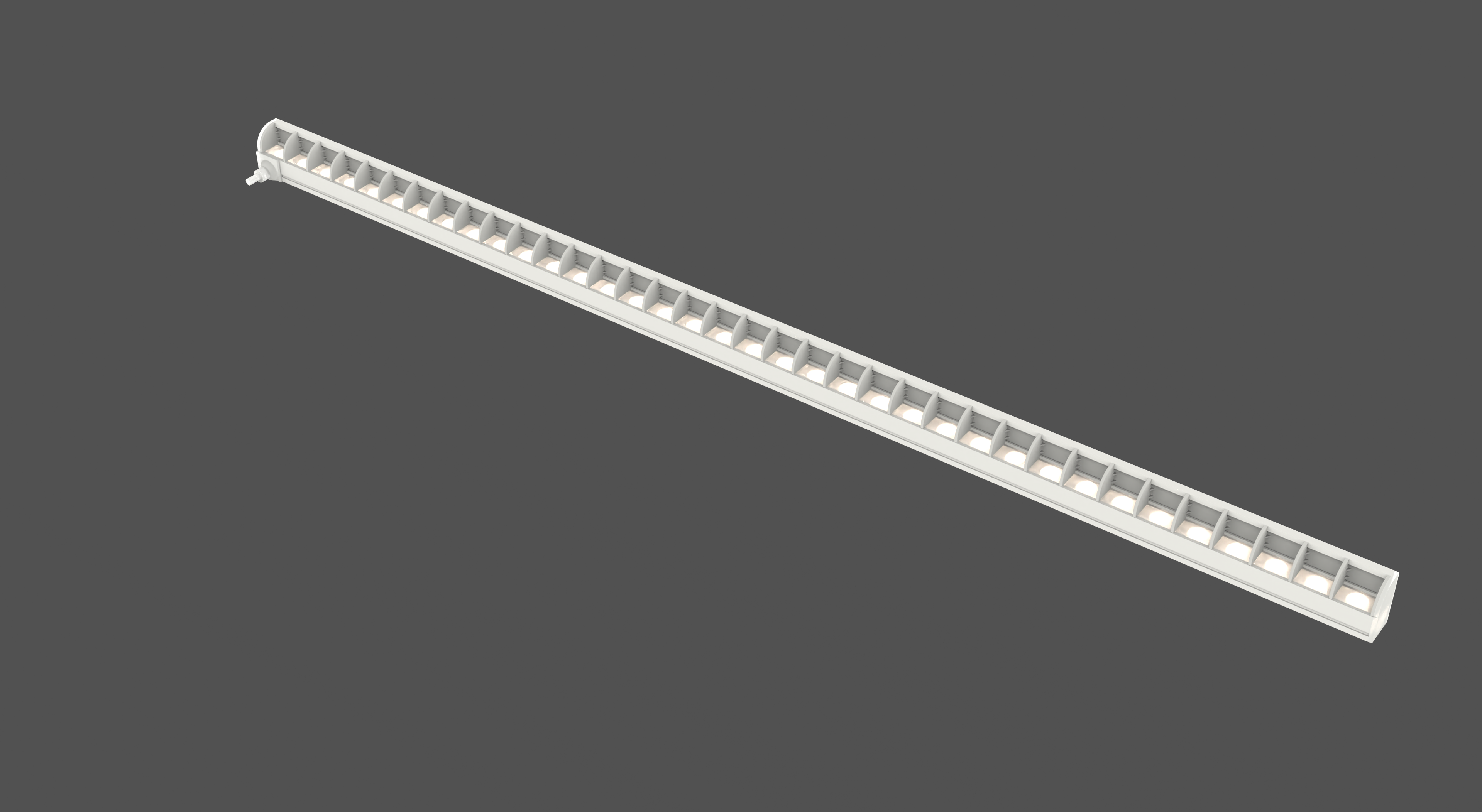
Rigid Wall Washers
Rigid wall washers are the standard solution for architectural façade lighting.
They provide:
precise beam control
strong vertical illumination
professional-grade wall washing
But they are fundamentally designed for straight architectural lines.
When used on curved façades, installers must place multiple short fixtures along the curve, which often leads to:
segmented lighting effects
uneven brightness transitions
visible fixture angles
broken visual flow
Instead of highlighting the architecture, the lighting can make the curve appear fragmented.
Flexible LED Strips
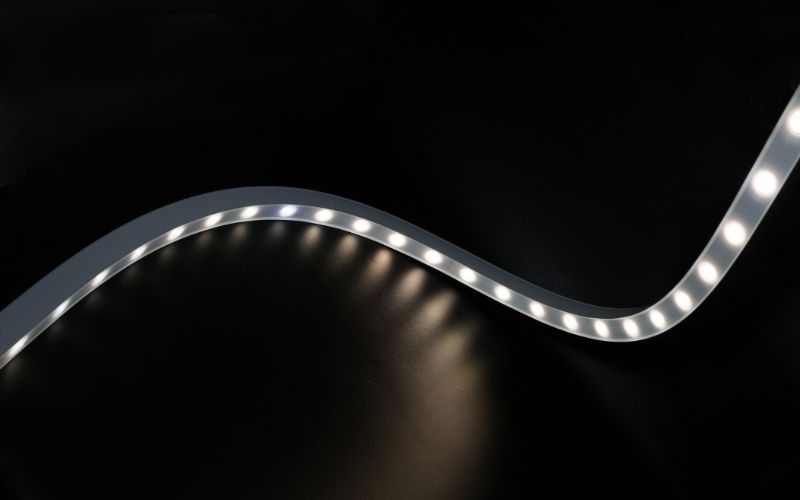
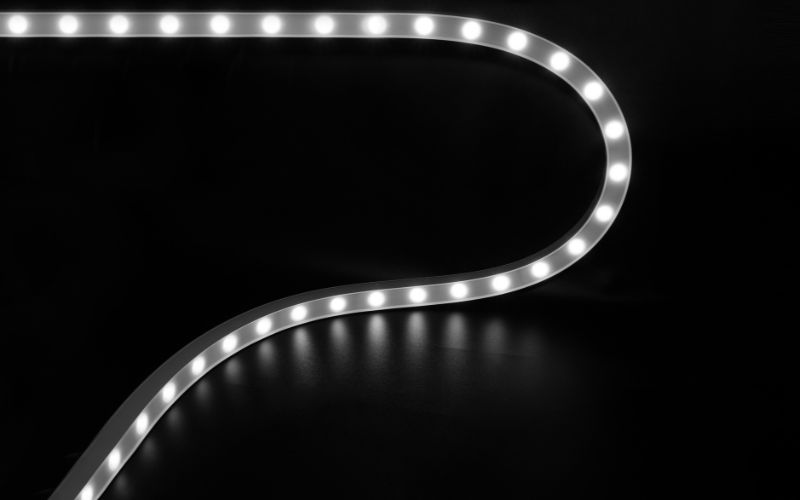
Flexible LED strips solve the geometry problem easily.
They can bend around almost any surface, making them attractive for curved applications.
However, they lack the optical precision required for façade washing.
Common issues include:
insufficient brightness
uncontrolled light spread
inconsistent wall coverage
decorative glow instead of true wall washing
As a result, designers often end up sacrificing lighting performance for flexibility.
The Emerging Solution: Flexible Wall Washers
To address this long-standing challenge, a new type of lighting product has emerged: flexible wall
washers.
Unlike conventional LED strips, flexible wall washers are engineered to combine:
architectural-grade optical control
structural flexibility for curved installations
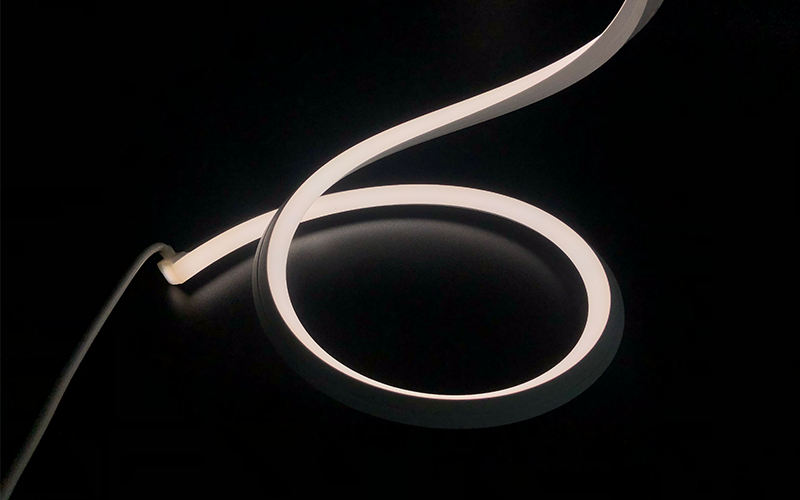
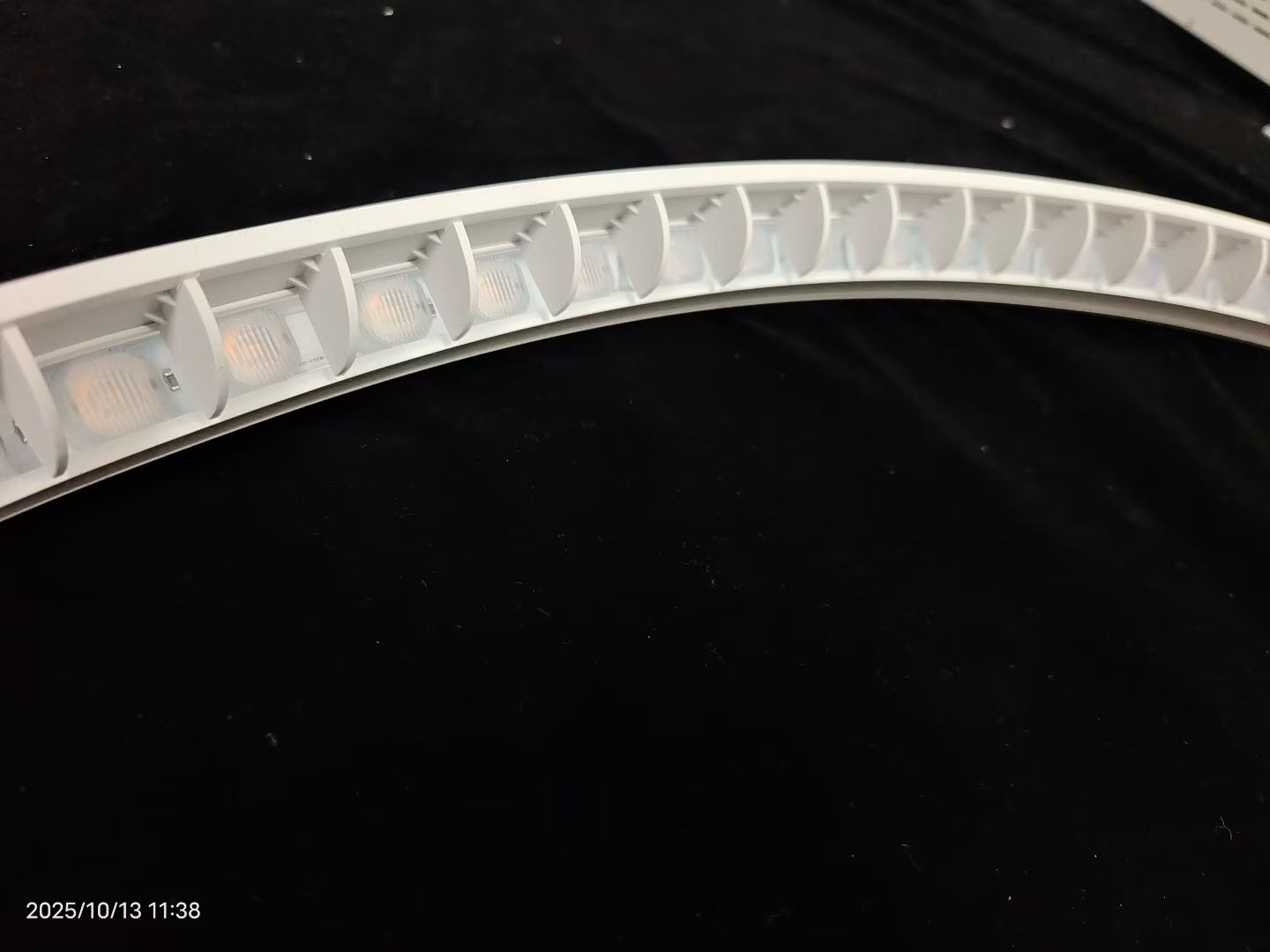
One example is the 10×60° silicone flexible wall washer, designed specifically for curved architectural surfaces.
The objective is simple:
Deliver the same performance as traditional wall washers while adapting to curved architectural geometry.
Optical Technology: Why Beam Angle Matters
The effectiveness of a wall washer depends heavily on its beam angle design.
Flexible wall washers designed for façade lighting often use asymmetric optical distribution, such as a
10×60° beam angle.
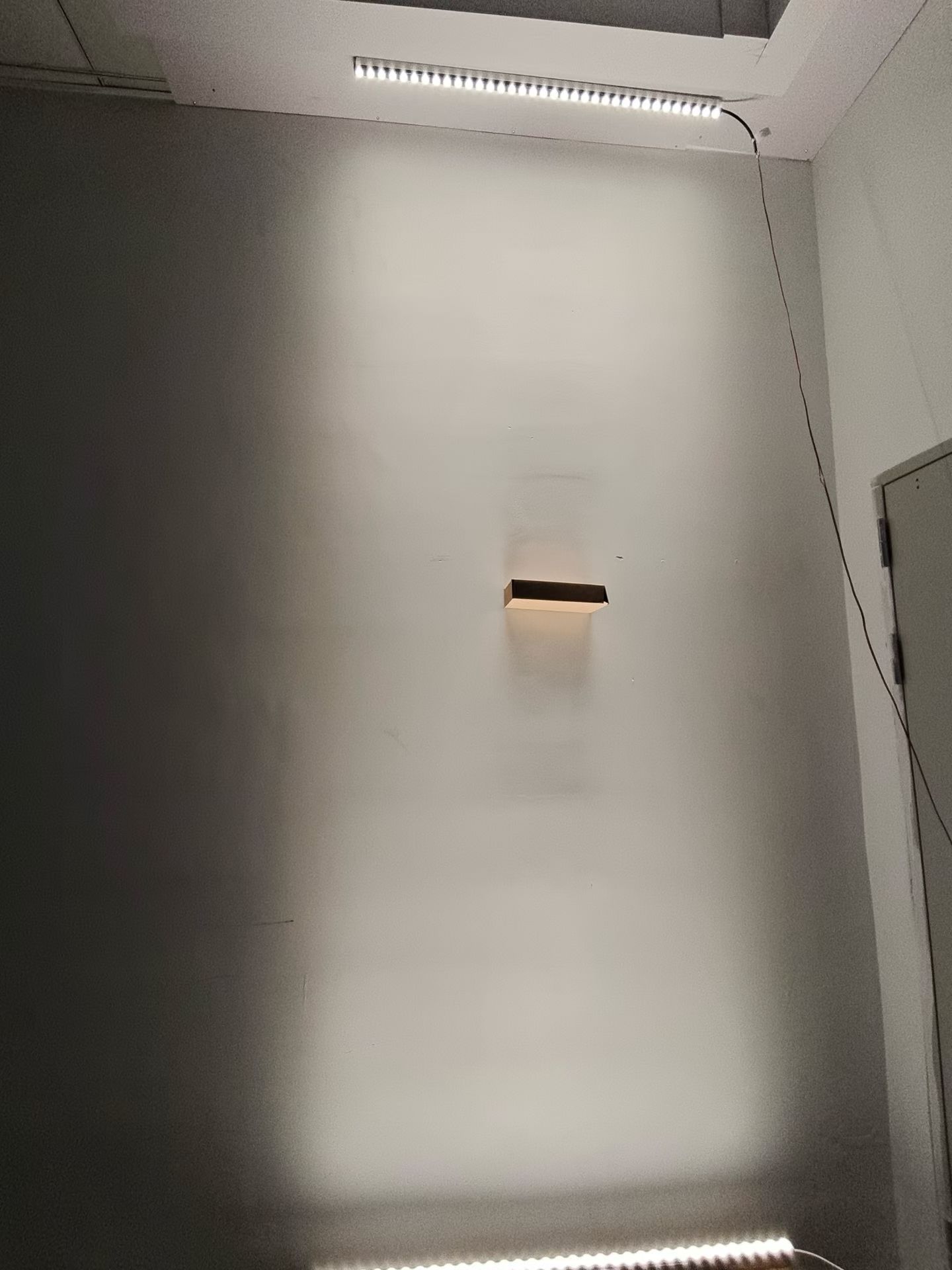
10° Vertical Beam
The narrow 10° vertical beam focuses light upward along the wall surface.
This concentrated beam allows the fixture to:
project light efficiently
maintain brightness over distance
illuminate walls up to 3–4 meters in height
Without this control, light spreads too widely and loses its washing effect.
60° Horizontal Beam
The 60° horizontal beam distributes light evenly along the wall.
This ensures:
smooth transitions between fixtures
consistent brightness across the façade
continuous illumination along architectural lines
Together, these two angles create the balanced vertical wall washing effect required in professional
lighting design.
Structural Design: Flexibility Without Sacrificing Durability
Optical control is only part of the solution.
For curved architecture, the fixture must also physically adapt to the surface.
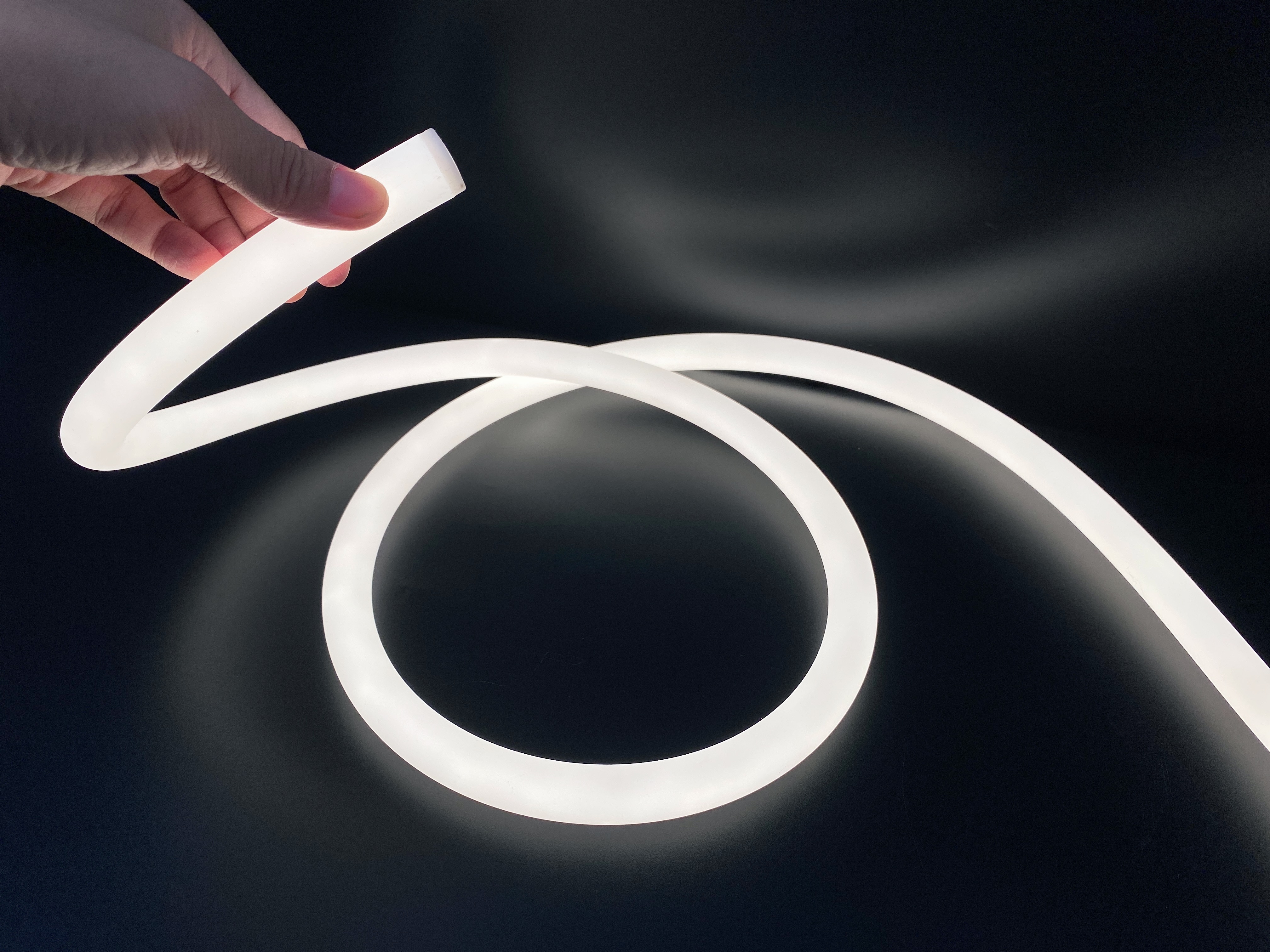
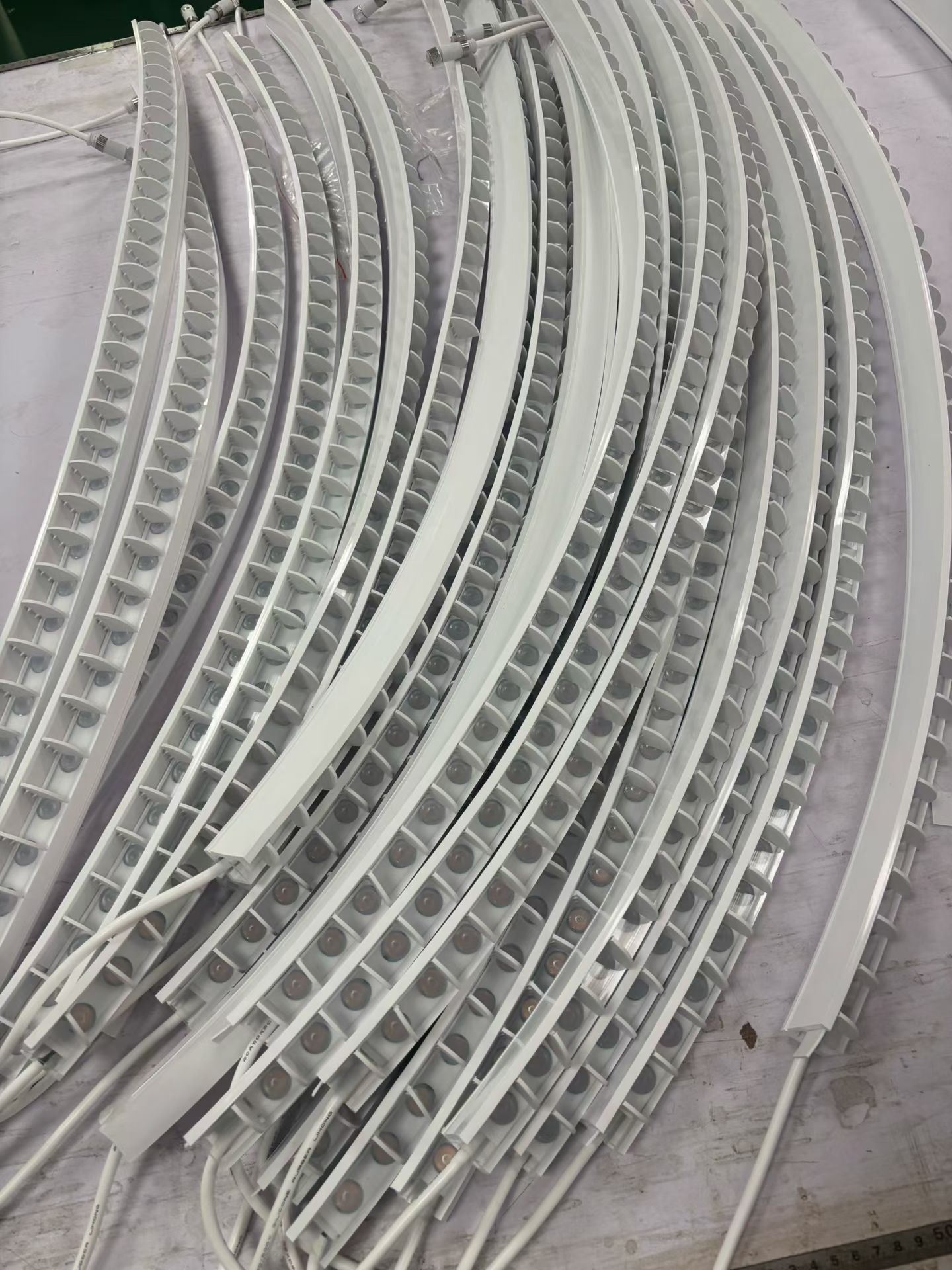
Integrated Silicone Housing
High-performance flexible wall washers often use integrated silicone construction rather than PVC
or PU materials.
This design offers several advantages.
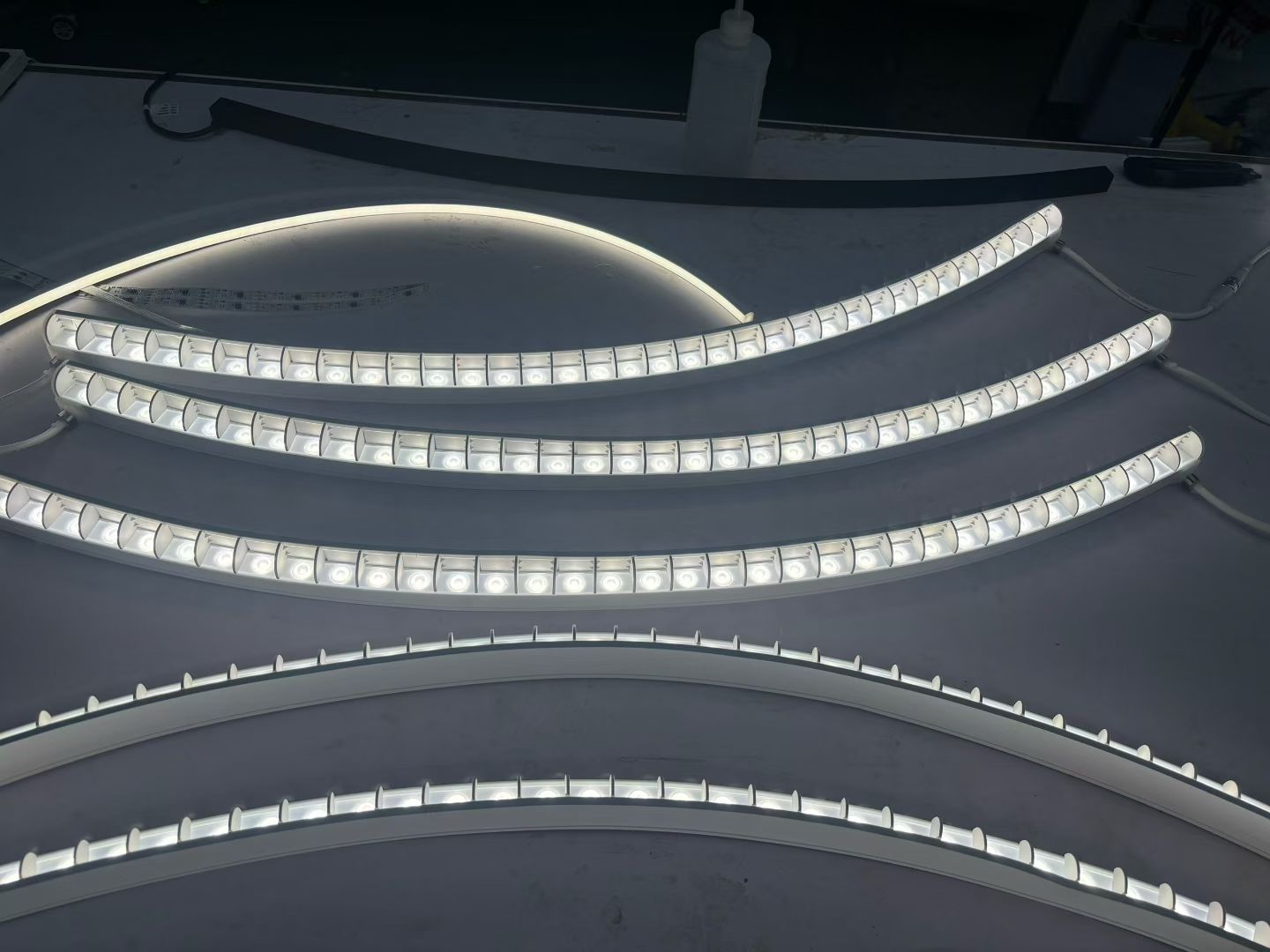
Smooth Bending Capability
The flexible structure allows the fixture to follow architectural curves such as:
curved façades
cylindrical columns
landscape retaining walls
sculptural surfaces
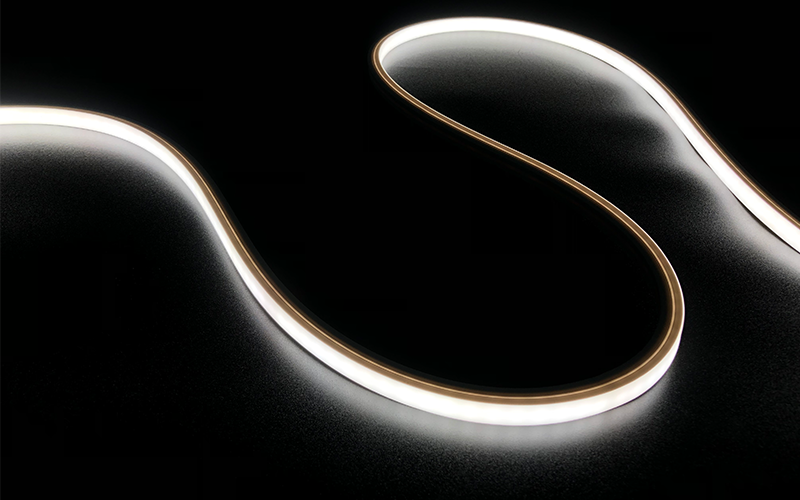
The result is a continuous lighting line that follows the building geometry naturally.
Continuous Light Output
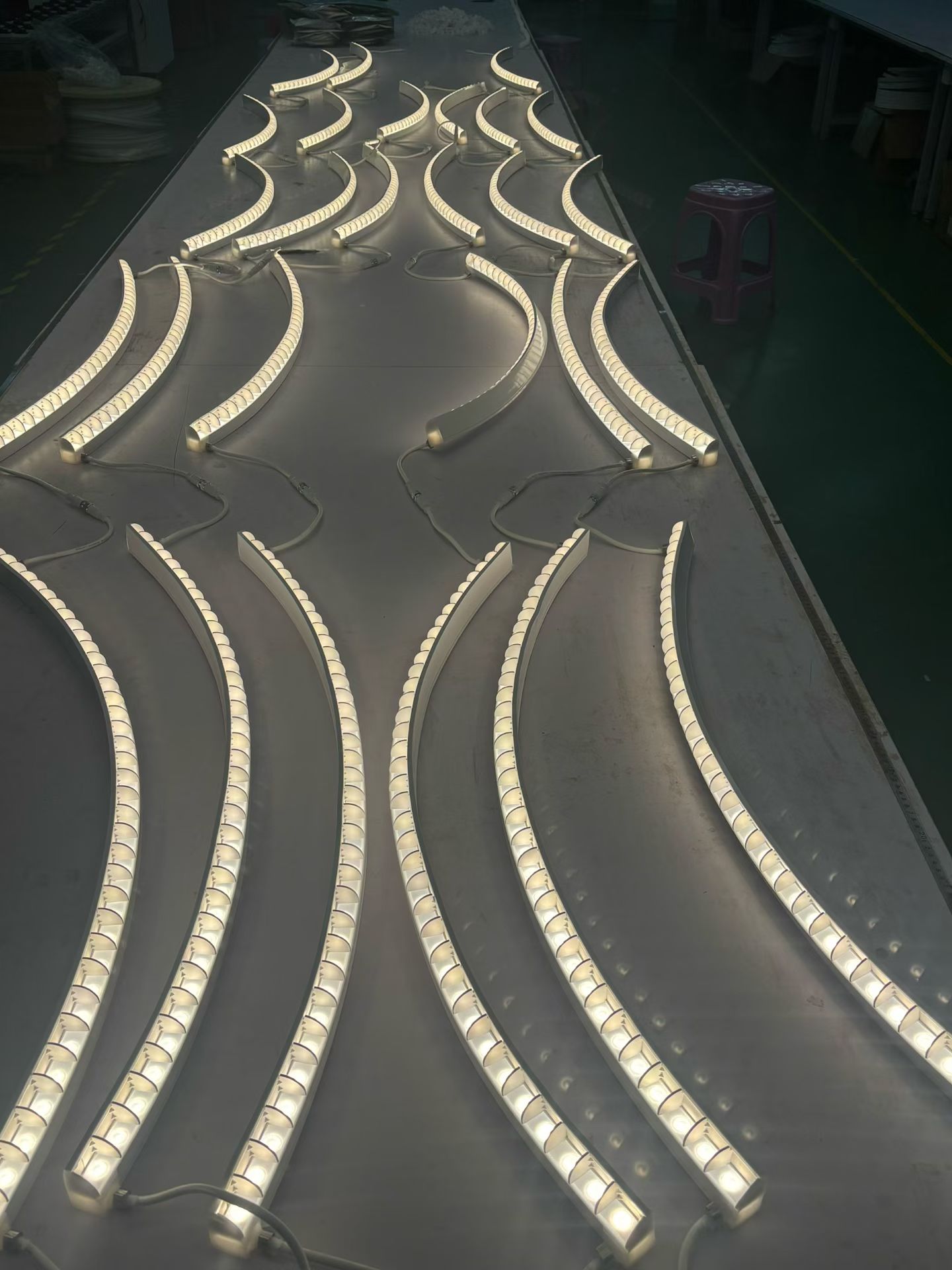
Unlike rigid fixtures installed in segments, flexible wall washers create unbroken light distribution.
This eliminates:
visible lighting gaps
brightness discontinuities
fixture segmentation
The lighting effect appears smooth and intentional.
Outdoor Reliability
Silicone materials also provide improved environmental resistance.
Typical advantages include:
UV resistance
stable performance in extreme temperatures
anti-aging durability
IP67 waterproof protection
These properties make flexible wall washers suitable for long-term exterior façade lighting
installations.
Design Flexibility for Architectural Projects
Professional lighting projects often require customization beyond standard fixtures.
Flexible wall washers may offer additional options such as:
Anti-Glare Design
Anti-glare accessories help control stray light and improve visual comfort for viewers and
pedestrians.
Optical Customization
Different beam distributions may be selected depending on:
façade height
installation distance
surface reflectivity
Structural Installation Options
Flexible mounting systems allow installation on:
façade surfaces
recessed architectural channels
landscape structures
This flexibility allows lighting designers to adapt the fixture to the architecture, rather than forcing
the architecture to adapt to the fixture.
Project Case: Curved Façade Lighting Application in India
A recent project in India demonstrates how flexible wall washers can solve curved façade lighting
challenges.
The building featured a large curved architectural surface that required uniform wall washing.
The initial lighting design used rigid wall washers, which resulted in:
segmented light patterns
inconsistent illumination
visible fixture angles
After switching to a flexible wall washer solution, the final installation achieved:
continuous lighting along the curved façade
uniform vertical illumination
seamless integration with the building geometry
The lighting now enhances the architectural form instead of interrupting it.
The Future of Curved Architectural Lighting
As architectural design continues to explore more complex geometry, lighting solutions must
evolve accordingly.
Flexible wall washers represent a significant advancement by combining:
precise optical performance
flexible installation capability
durable outdoor materials
For projects involving curved structures, they provide a reliable way to maintain professional
wall washing quality while preserving architectural integrity.
Frequently Asked Questions
#1 What is a flexible wall washer?
A flexible wall washer is a lighting fixture designed to provide architectural wall washing while
being able to bend and follow curved surfaces. Unlike standard LED strips, it includes optical
systems that control beam angles for uniform façade illumination.
#2 What beam angle is best for wall washing?
Asymmetric beam angles such as 10×60° are commonly used for façade wall washing. A narrow
vertical beam projects light up the wall, while a wider horizontal beam spreads light evenly along
the surface.
#3 Can flexible wall washers be used outdoors?
Yes. High-quality flexible wall washers are typically constructed with silicone housing and feature
IP67 protection, making them suitable for outdoor architectural lighting.
#4 What height can flexible wall washers illuminate?
Depending on optical design, flexible wall washers can typically wash walls between 3 and 4 meters
in height when installed at appropriate distances from the surface.
Conclusion
Curved architecture should not force lighting designers to compromise between performance and
flexibility.
Flexible wall washers bridge this gap by combining precise optics, adaptable structure, and durable materials.
For architects and lighting designers working with curved façades or landscape structures, they provide
a powerful solution for achieving clean, continuous, and professional wall washing effects.
Interested in flexible wall washer solutions for your project?
Contact our team for:
technical specifications
lighting simulation support
installation guidance
customized project solutions